
Coffee guides · Lukaya Cafe
Compare drip coffee, espresso drinks and roasts.
Compare drip and espresso, choose a milk drink, and learn how roast changes flavour.
Pick a question
17 guides for your next cup.
Start with the drink you already order, then compare its closest neighbours.
What is drip coffee, and how does it taste?
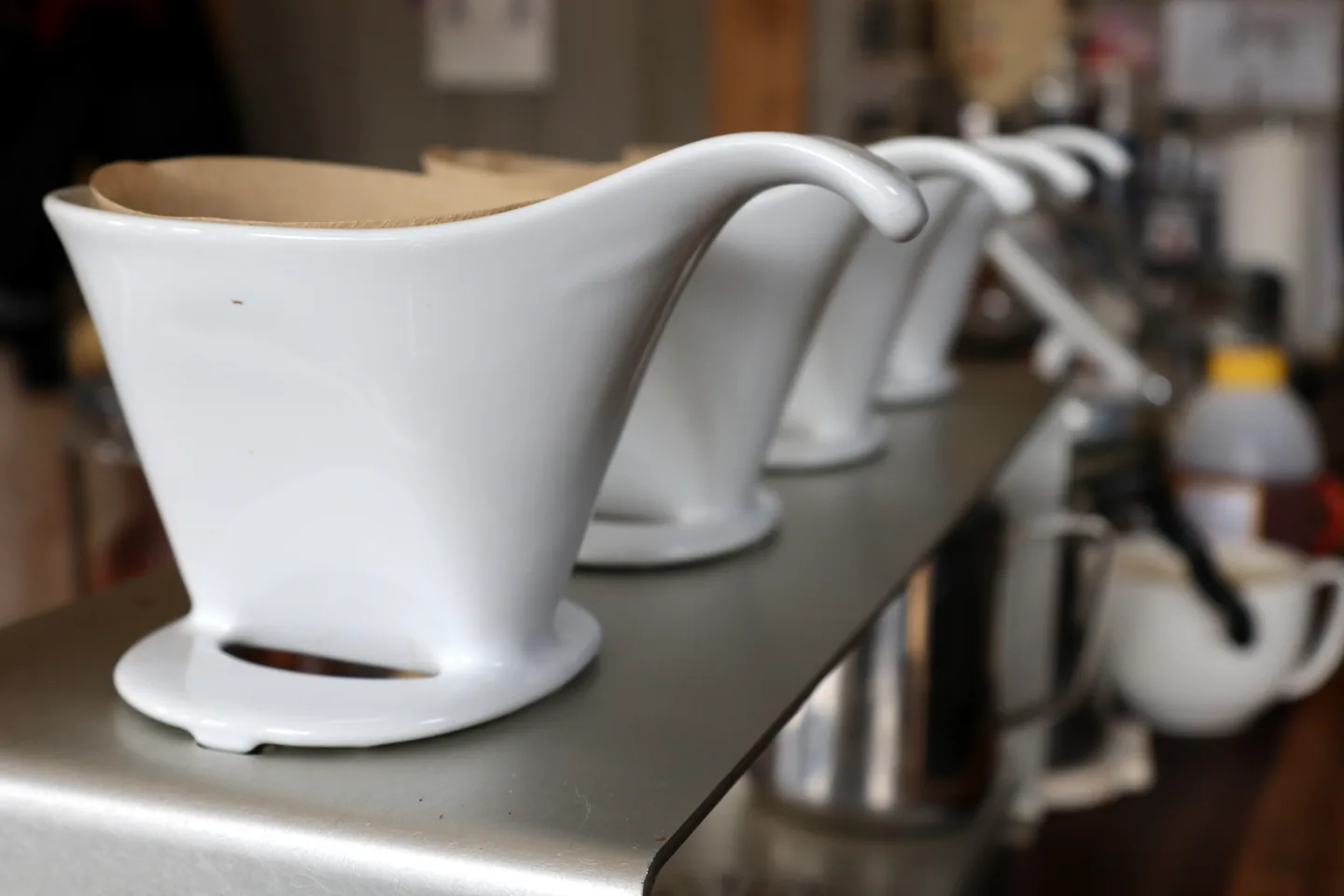
Drip coffee is brewed when hot water passes through ground coffee held in a filter, then falls into a pot or cup below.
Read the guide →02What is espresso, and why is the serving so small?
Espresso is a concentrated coffee made by pushing hot water through finely ground coffee under pressure.
Read the guide →03Espresso with more room: what is an Americano?
An Americano combines espresso with hot water for a longer black coffee that keeps espresso's character.
Read the guide →04Espresso with a small mark of milk: the macchiato.
A traditional macchiato is espresso softened with a small amount of steamed milk or foam.
Read the guide →05Espresso, milk and an airy cap: the cappuccino.
A cappuccino combines espresso, steamed milk and a generous layer of foam in a balanced, compact drink.
Read the guide →06What is a latte, and how much milk does it contain?
A latte is espresso combined with plenty of steamed milk and a light layer of foam.
Read the guide →07Silky milk, clear espresso: what is a flat white?
A flat white pairs espresso with finely textured steamed milk, usually in a smaller cup than a latte.
Read the guide →08When espresso meets chocolate: what is a mocha?
A mocha combines espresso, chocolate and steamed milk in a drink that sits between coffee and dessert.
Read the guide →09Espresso or drip coffee: choose by pace and flavour.
Espresso uses pressure for a small concentrated drink; drip coffee uses gravity and more water for a longer cup.
Read the guide →10Latte, cappuccino or flat white: let texture decide.
All three combine espresso and milk; the milk ratio, foam and serving size create three different experiences.
Read the guide →11Your first espresso drink starts with three simple choices.
Choose how strong you want the coffee to taste, how much milk you enjoy and whether you want foam, water or chocolate.
Read the guide →12What steam does to milk, texture and coffee flavour.
Steaming warms milk and folds in tiny bubbles, making it taste sweeter and changing how it carries espresso.
Read the guide →13What does light-roast coffee taste like?
Light-roast coffee spends less time in the roaster, often preserving more acidity and origin character.
Read the guide →14What makes medium-roast coffee different?
Medium-roast coffee balances the bean's origin character with sweetness and body developed during roasting.
Read the guide →15What does dark-roast coffee taste like?
Dark-roast coffee is roasted longer, emphasizing toast, cocoa, smoke and bittersweet flavours over delicate origin notes.
Read the guide →16How do light, medium and dark coffee roasts compare?
Roast level changes acidity, sweetness, body and roast flavour, but every level can be good when the bean and brewing suit it.
Read the guide →17Coffee tasting notes are clues, not added ingredients.
Words such as chocolate, berry or nut describe flavours a coffee may remind you of; they usually do not mean those foods were added.
Read the guide →