
Partly oxidized, with many possible flavours
Tea makers bruise, oxidize, shape and sometimes roast the leaves. Those choices produce oolongs that can taste completely different from one another.
Start with one steep, then compare another
- For a mug, start with about 3 g of leaf in 300 mL of water near 90°C and steep for 3 minutes. Roasted styles may call for hotter water.
- Drain the infusion fully before steeping the leaves again. Taste the next brew rather than assuming it will match the first.
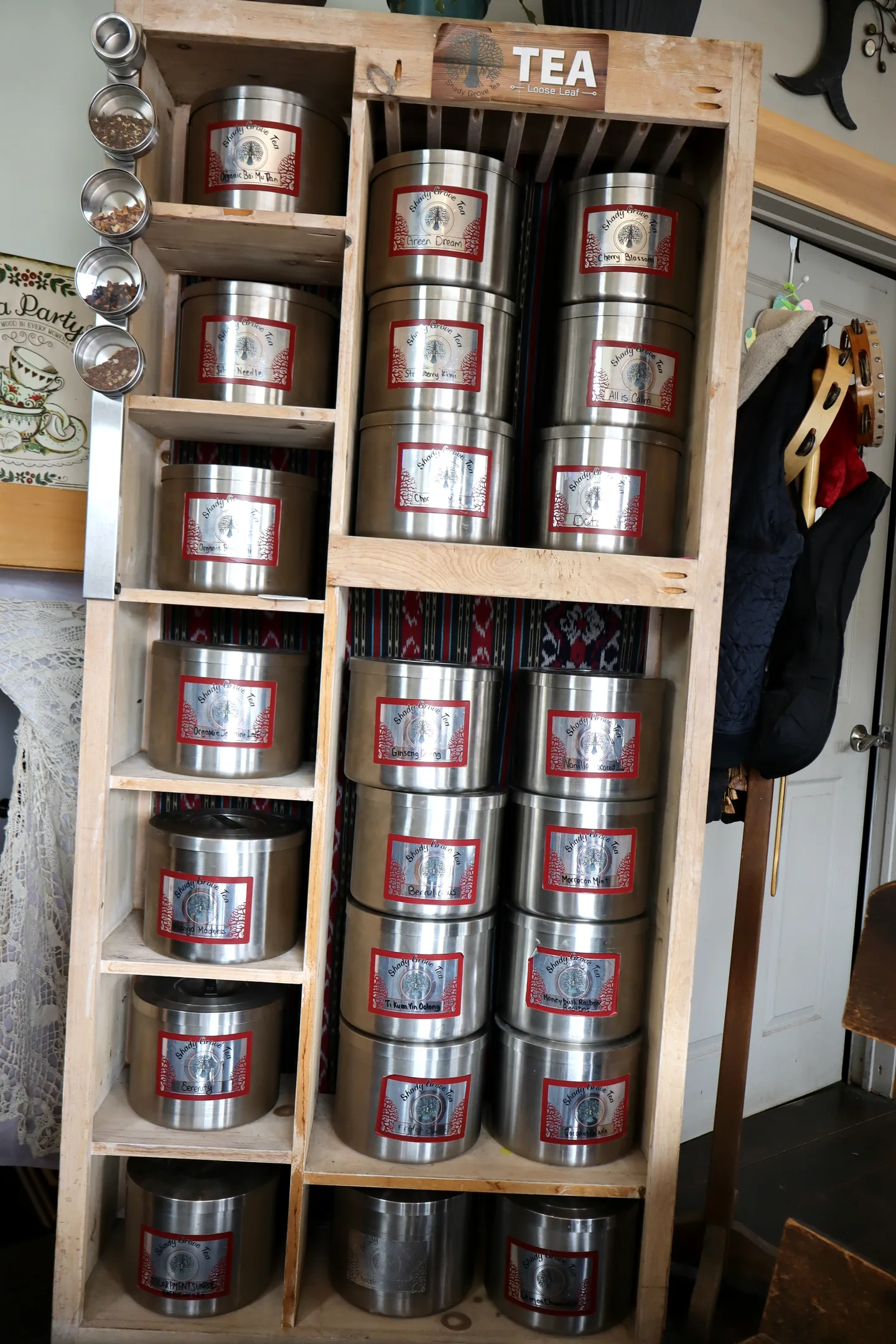
- Ti Kuan Yin, Milk Oolong and Ginseng Oolong are names on Lukaya Cafe's shelves. Ask which best matches the floral, roasted or sweeter flavours you enjoy.
What does it taste like?
One oolong may suggest orchid, cream and peach. Another may taste of toast, stone fruit, nuts or warm minerals.
What about caffeine?
Oolong contains caffeine. Amounts vary by leaf, dose and steeping, so the name alone cannot predict it precisely.
Who might enjoy it?
- You want to compare several rare-tea styles.
- You enjoy repeated steeps.
- You like floral tea but are also curious about roasted flavours.
Brewing reference: TeaSource brewing guide. Use the leaf packet or equipment instructions where they differ.